• Service Animals, Part 1

    First Hand Experience

    Service dogs are incredible companions capable of handling a wide variety of jobs. If you’ve spent time on social media or watched the news, you’ve likely heard stories about the great work that these dogs can do. While most people are pretty familiar with guide dogs, service dogs’ abilities extend far beyond this. 

    As a handler currently working with my third service dog, I can confidently say that their help is wholly transformative. My first service dog lacked formal training and would be considered an assistance dog or an emotional support animal (ESA) today. However, 20 years ago, federal laws and California state regulations regarding these classifications were far more vague than they are today.

    When I adopted Xander in 2005, I was struggling with severe anxiety and found it very challenging to navigate busy or crowded places. I had heard that all I needed to do to bring my 21-pound Shiba Inu mix with me was to register him as a California Assistance Dog, specifying, when asked, that he was my psychiatric service dog (Thompson, 2018). This was almost a decade before I received my formal diagnoses, and I was determined to appear “normal”. Despite the effort, my anxiety made masking my insecurities nearly impossible without Xander’s help.

    After Xander passed away from congestive heart failure in 2014, I felt the detachment and anxiety returning in a very visceral way. I’d just learned about Asperger’s Syndrome (ASD level 1 or ASD-1), and I was beginning to see the connections in my own life (Health Essentials, 2024). I knew that I would need to find a fully qualified service dog to pick up the other end of the leash. Thankfully, with the help of my family and a few local connections, I adopted and trained Billie. I then went through the grueling process of obtaining formal diagnoses for both ASD and epilepsy. I could now proudly adjust to life with new insight and a furry sidekick to keep me safe.

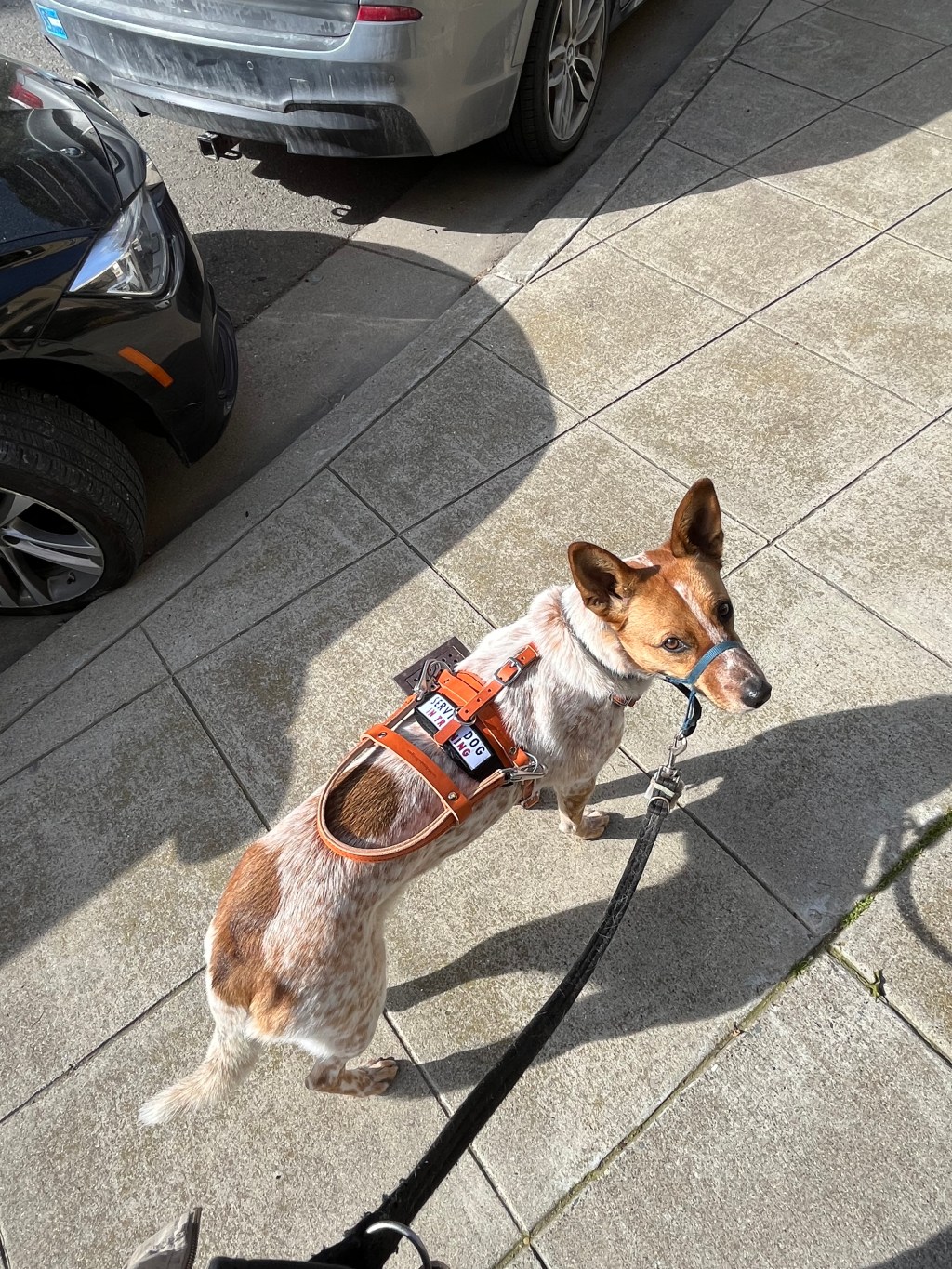
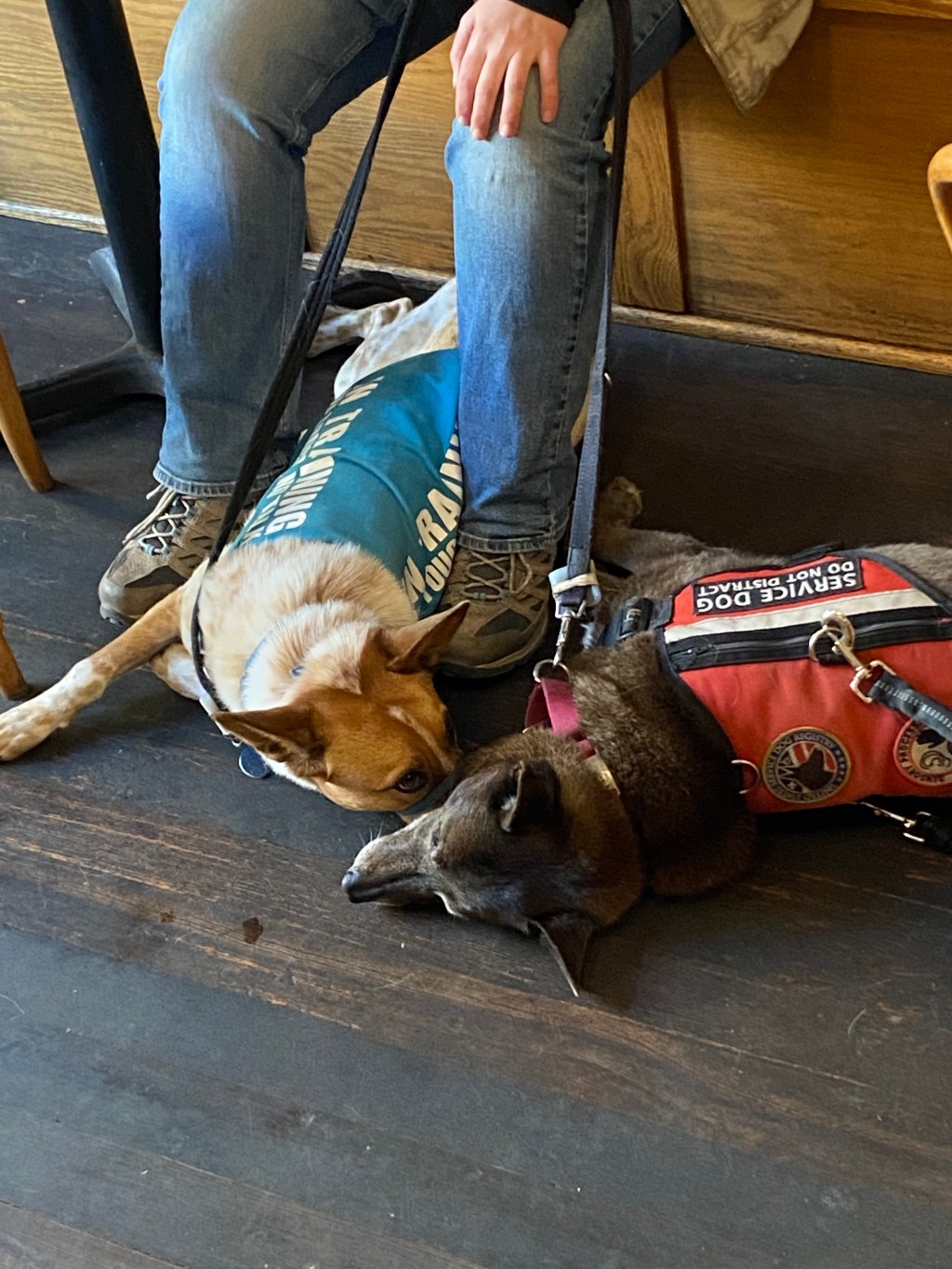
    Now at 13 years old, Billie is retired and helping to train her little sister to take over her duties. Since receiving my two primary diagnoses and becoming a service dog handler, I’ve gained a much deeper appreciation for these hard-working companions and the jobs they do. I’ve met fellow service dog handlers and shared experiences with them, both positive and negative. I’ll do my best to keep these next few posts as professional as possible. Though I am autistic, and this is a “special interest” of mine. So I may get a little carried away from time to time.

    References

    Health Essentials (2024). Asperger’s vs Autism: What’s the Difference?. https://health.clevelandclinic.org/aspergers-vs-autism

    Thompson, J. (2018). How to Apply for a California Assistance Dog Tag. Legal Beagle. https://legalbeagle.com/5313646-apply-california-assistance-dog-tag.html

  • Come again?

    Echolalia, also known as echophrasia, is the involuntary repeating of words or phrases. It’s commonly seen in young children who are still learning to speak and in individuals on the autism spectrum. However, like most health conditions, echolalia can take several forms. The condition can be immediate or delayed, communicative or semi-communicative, mitigated or unmitigated, and ambient or echoing approval. With communicative echolalia, the repeated phrase clearly contributes to the conversation. In cases of mitigated echolalia, the tone and/or pitch of the repeated phrase is different from its original delivery. Finally, ambient echolalia is a word or phrase that’s repeated from the surrounding environment, while echoing approval is spoken as a tonal response to its original delivery (Cleveland Clinic, 2023, Echolalia).

    Often, people assume that this condition is simply a symptom of Autism Spectrum Disorder (ASD). There is indeed a strong correlation; approximately 75% of those with ASD have some form of echolalia, which usually fades by age three. However, its main cause is unknown. It’s also seen in those with ADHD, aphasia, head injury, dementia, developmental delays, encephalitis, Tourette’s syndrome, stroke, schizophrenia, stress and anxiety, and other related conditions. For this reason, some medical professionals have suggested that there’s a potential link to a type of frontal lobe dysfunction that affects conscious thoughts, movements, and memory. Theoretically, this dysfunction could lead to a significant imbalance of dopamine, affecting brain-body communication. Alternatively, the improper mirror neuron function and/or processing issues may change how the body responds to stimuli (Cleveland Clinic, 2023, Echolalia).

    While the main cause of echolalia remains unknown, therapy to identify potential causes and other relevant details of an individual’s case may improve communication. Medication, psychological counseling, and consultations with neurodevelopment specialists may also help in some cases. However, without some intervention, individuals can experience significant anger, stress, delayed learning, isolation, trouble forming relationships, depression, and/or anxiety (Cleveland Clinic, 2023, Echolalia).

    It’s also important to seek medical help for your loved one if they are a child reverting to echolalia, or an adult with no history of echolalia, suddenly developing it. For allies, friends, or family members of someone with the condition, observing how the repeated phrases are expressed and paying attention to specific words or phrases that are repeated can be highly beneficial. Trying to correct or interrupt the individual may make things more difficult for them (Cleveland Clinic, 2023, Echolalia). 

    A good example of this might sound something like the following:

    “Would you like some tea?”

    “Like some tea?”

    Instead of repeating yourself or criticizing them, try rephrasing what you said.

    “I’m going to make myself some tea. Would you like some?”

    Similar to echolalia, echopraxia (also known as echokinesis or echomotism) is the involuntary mimicking of physical and/or facial movements. Unlike voluntary imitation, which can be helpful when learning a new skill, echopraxia is entirely involuntary. It can manifest as simple actions like grimacing when someone else tastes a sour flavor, or as more complex actions, such as copying someone’s walk (Cleveland Clinic, 2024, Echopraxia).

    Echopraxia is a symptom of brain dysfunction, movement disorders, and psychiatric conditions. Diagnosis often involves asking the individual to respond to verbal commands while watching another person’s movements. If the individual has a strong compulsion to mimic the movements before or instead of responding to the verbal commands, they may have echopraxia. Like echolalia, its main cause is also unknown and is likely a symptom caused by frontal lobe and/or mirror neuron issues. It is more commonly seen in those with ASD, catatonia, epilepsy, schizophrenia, and Tourette’s syndrome. Currently, there is no single treatment or prevention method. However, identifying the underlying cause and addressing this with psychotherapy, cognitive behavioral therapy (CBT), and/or medication may be beneficial. It’s crucial to seek treatment for echopraxia, as the condition can lead to physical injury if untreated (Cleveland Clinic, 2024, Echopraxia).

    References

    Cleveland Clinic (2023). Echolalia. Health Library. https://my.clevelandclinic.org/health/symptoms/echolalia

    Cleveland Clinic (2024). Echopraxia. Health Library. https://my.clevelandclinic.org/health/symptoms/echopraxia

  • Pardon the Interruption

    Sensory processing disorder (SPD), also known as sensory integration dysfunction, affects how individuals with the disorder interpret sensory information from any or many senses. This often makes it difficult for the individual to respond appropriately to sensory stimuli. Because of this, sounds or textures can become irritating or even painful (Khalid, 2025).

    The misinterpretation or incomplete processing of sensory stimuli seen in SPD may also make it difficult for the individual to filter sounds, smells, and other sensory information the way a typical person would, making it more difficult to distinguish what is important. When exposed to too much unfiltered sensory input, this individual will often become overstimulated and overwhelmed. Everyone reading this is likely familiar with the most common signs of SPD. These common signs include an intolerance to bright lights and/or loud noises, an aversion to certain textures, increased distractibility by background noise, an aversion to sudden touch, and a decreased sense of spatial awareness (Rutgers-New Brunswick, 2025).

    Some of these SPD symptoms, such as hypersensitivity, are often confused with those of Autism Spectrum Disorder (ASD). However, it’s important to note the three main subtypes of SPD, distinguishing the condition from ASD itself. These subtypes are known as sensory modulation disorder, sensory-based motor disorder, and sensory discrimination disorder (Hawthorn, 2024).

    The most common symptom of sensory modulation disorder is an individual’s decreased ability to regulate their responses to sensory input, leading to overreactions or under-reactions to certain sensory input, and a potential craving for additional sensory input. Sensory-based motor disorder, on the other hand, primarily affects balance and spatial awareness. This decreased awareness can lead to increased difficulty in processing body movements (Hawthorn, 2024).

    The third subtype, sensory discrimination disorder, is often seen when an individual has difficulty interpreting sensations. This can lead to a decreased ability to distinguish between certain letters, such as M and N, or to determine when there is an urge to use the bathroom. Unsurprisingly, recent studies have shown that between 90% and 95% of those with an ASD diagnosis also experience SPD. In the United States, around 1 in 45 adults and 1 in 54 children are diagnosed with ASD, while around 1 in 6 US children are diagnosed with severe SPD (Hawthorn, 2024). While the medical community continues to debate whether SPD is its own diagnosis or simply a key diagnostic symptom of various neurodiversities, it’s important to see this as a clear example of the relationship between correlation and causation.

    References

    Hawthorn, A. (2024). It’s not Autism, It’s Sensory Processing Disorder. Psychology Today. https://www.psychologytoday.com/us/blog/the-sensory-revolution/202012/its-not-autism-its-sensory-processing-disorder 

    Khalid, E. (2025). Sensory Disabilities — Type, Effects, and Treatment. NuPrisma. https://nuprisma.com/sensory-disabilities-types-effects-and-treatment/

    Rutgers-New Brunswick (2025). Sensory Disabilities. Department of Kinesiology and Health. https://kines.rutgers.edu/dshw/disabilities/sensory/1061-sensory-disabilities

  • It’s Complicated

    Starting with a popular topic these days, let’s jump right in with autism. Autism Spectrum Disorder (ASD) is a complex, lifelong developmental disorder characterized by a wide range of social, communication, and behavioral difficulties and differences. These differences affect how those of us on the spectrum interact with our surroundings and other people. It is estimated that around 2% of US adults have ASD, with males being around four times more likely than females to receive an official diagnosis. Officially, the CDC states that around 1 in 54 US children have an ASD diagnosis. Though some may claim that “certain children recover from ASD,” autism is a lifelong condition, and individuals often continue to experience significant sensory sensitivities (Khalid, 2025). It’s also important to note that there are very few reliable statistics on ASD in relation to queer identities. Most of the studies that I’ve found refer to their subjects’ natal sex, rather than their gender identity.

    Another familiar topic in the realm of disability is blindness. Defining vision loss and blindness is more complicated than many people realize. To be considered legally blind, an individual must have vision that prevents them from seeing clearly beyond six meters, translating to roughly 20/200 vision in US terms. Alternatively, a person may be considered legally blind if their field of vision is less than 20º in diameter, even if their central vision is perfectly intact. This vision loss may be congenital, progressive, and/or the result of illness or injury. Some examples can include a physical difference in the eye, macular degeneration, diabetes, or many other conditions may lead to illness, injury, or a progressive condition. Although vision loss can occur at any age, those over 65 are more likely to experience it (Khalid, 2025).

    A common misconception is that blindness is an all-or-nothing disability. While it is true that blind and visually impaired individuals may need mobility aids, such as guide dogs and/or white canes, blindness does not necessarily mean that there’s a complete absence of vision. Low vision simply means that the individual’s visual impairment significantly interferes with daily activities. Some people may use large print, others may be able to see images at a distance or in their direct line of sight. Even the causes of vision loss are as diverse as their effects, ranging from uncorrected refractive issues to macular degeneration, glaucoma, trachoma, and many more (Rutgers-New Brunswick, 2025).

    As with blindness, deafness is also not an all-or-nothing disability. There are several different types of hearing loss, each with different causes. Conductive hearing loss occurs when sounds are physically prevented from passing through the outer and/or middle ear to the inner ear, and it’s often treatable with medicine and/or surgery. Sensorineural hearing loss is caused by a malfunction in the structures of the inner ear or in the nerves that process sound. A combination of these types of hearing loss is called mixed hearing loss. Going deeper, auditory neuropathy spectrum disorder is a type of hearing loss caused by damage to the inner ear and/or internal nerves, preventing the brain from processing sound. It’s also important to remember that hearing loss can have many causes. Congenital hearing loss alone can result from certain infections during pregnancy, low birth weight, birth asphyxia (or lack of oxygen at birth), misuse of drugs or medications, and many other factors (Rutgers-New Brunswick, 2025).

    It’s also important to remember certain cultural factors here. The terms hearing loss and deafness can also refer to any significant reduction in hearing. Many deaf people use a sign language to communicate, while others use lip reading either as their main method of communication or in addition to a sign language like American Sign Language (ASL). Like vision loss, an individual may be born deaf, or their hearing loss may be acquired. This hearing loss may also be progressive or non-progressive (Khalid, 2025).

    Unless you or someone you know is Deaf, you may also be unfamiliar with the difference between, and the importance of capitalizing the “D” here. The importance lies in matters of identity and community. When written with a lowercase “d”, deaf generally refers to hearing loss as an audiological or medical concept. This is a clinical term focusing on the diagnosis of conditions on a wide range of hearing impairments from mild to profound. Most often, you will hear and see this term used outside the Deaf community, or when specifically referring to a physical inability to hear (AccessiBe Inc., 2025).

    In contrast, Deaf with a capital “D” generally refers to a cultural or personal identity, or to the Deaf community itself. This includes the experiences, social norms, and shared sign languages existing within the community. It also includes the clinical deafness of individuals. But it’s important to remember the added sense of community, identity, and pride that the capitalization of a letter brings with it (AccessiBe Inc., 2025). Even hearing people can appreciate the resilience and anonymity that this simple change in grammar carries.

    It’s also important to remember that the choice of which spelling to use is often deeply personal to the individual experiencing deafness. The distinction is important wherever inclusivity is important, just like personal pronouns. Simply put, the lowercase “deaf” should be used when talking about the medical or general aspects of limited hearing, while the uppercase “Deaf” should be used when talking about cultural or community-centered aspects. It’s also important to remember that outside of a strictly clinical setting, “hearing impaired” is a deficiency. The terms “hard of hearing” and deaf are more neutral, much like “developmentally disabled” and neurodivergent (AccessiBe Inc., 2025). For example, my grandpa became deaf and started wearing hearing aids, while Deaf celebrity Nyle DiMarco grew up in the Deaf community. When in doubt, ask politely.

    References

    AccessiBe Inc. (2025). Deaf vs. deaf. accessiBe. https://accessibe.com/glossary/deaf-vs-deaf

    Khalid, E. (2025). Sensory Disabilities — Type, Effects, and Treatment. NuPrisma. https://nuprisma.com/sensory-disabilities-types-effects-and-treatment/

    Rutgers-New Brunswick (2025). Sensory Disabilities. Department of Kinesiology and Health. https://kines.rutgers.edu/dshw/disabilities/sensory/1061-sensory-disabilities

  • But you don’t look disabled

    Sensory disabilities are as complicated as our senses are. Most people are familiar with deafness and blindness. However, many people are less familiar with conditions like anosmia, congenital insensitivity to pain (CIP), hypoesthesia, hyperesthesia, hyperacusis, photophobia, auditory processing disorder (APD), or sensory processing disorder (SPD). This means that an individual with one of these conditions may have an increased or decreased sensitivity to different types of sensory input, such as touch, sound, visual input, or even smell and taste (Cleveland Clinic, 2023; NORD, 2025; Merriam-Webster, 2026).

    In my case, my ASD-1 (formerly Asperger’s syndrome) makes it more difficult for me to process verbal communication and certain types of physical contact quickly. In elementary school, my parents were told that I had an auditory processing deficit (formerly a layman’s term for what is now APD). However, I would also scratch tags and buttons off clothing and flinch when someone suddenly touched me. Decades later, I was diagnosed with ASD-1, and it was suggested that my previous informal diagnosis of APD may actually be SPD, not uncommon in those of us labeled as high-functioning autistic.

    A sensory disability can be defined as an impairment of one or more of the 5 senses: smell, sight, taste, hearing, and/or touch. Surprisingly, the most common sensory disability is related to taste impairment. Sensory disabilities are often genetic, but can also be caused by illness or injury. They are also most common in seniors, mostly affecting their quality of life. In fact, deaf-blindness, a sensory disability involving the loss or significant impairment of both hearing and vision, is often seen in older adults with dementia. To add to this, one-third of seniors with vision loss also have symptoms of depression and loneliness. However, one in six kids has at least one sensory disability that inhibits their daily life and learning. These disabilities can also affect learning and performance in school. Though they can’t be cured, symptoms can be treated and managed with therapies like sensory integration, occupational therapy, and physical therapy. Service dogs trained to aid those with sensory disabilities can also help by retrieving items, guiding, providing emotional regulation and stability (both physically and psychologically), alerting to oncoming seizures, providing direct companionship and a sense of security, and many more services (Khalid, 2025). 

    At its core, a sensory disability is a neurological condition that in some way prevents the brain’s processing of sensory info in a typical manner. This includes vision and hearing loss. However, it also includes conditions like Autism Spectrum Disorder (ASD) and Sensory Processing Disorder (SPD). Symptoms and signs of ASD can include some difficulties with communication, behavioral challenges, social interaction, and typical learning methods. Assistance needs vary significantly depending on the individual. An autistic person may lack the instinct to point to things of interest, and they may not readily follow another’s gestures. This disinterest in social interaction may lead to trouble relating to others, self-isolation, avoiding eye contact, trouble expressing emotions, showing empathy in a typical way, and echolalia (Cleveland Clinic, 2023; Rutgers-New Brunswick, 2025).

    References

    Cleveland Clinic (2023). Echolalia. Health Library. https://my.clevelandclinic.org/health/symptoms/echolalia

    Khalid, E. (2025). Sensory Disabilities — Type, Effects, and Treatment. NuPrisma. https://nuprisma.com/sensory-disabilities-types-effects-and-treatment/

    Merriam-Webster (2026). Medical Dictionary. Medical Dictionary. https://www.merriam-webster.com/medical

    NORD (2025). Congenital Insensitivity to Pain (CIP). National Organization of Rare Disorders. https://rarediseases.org/rare-diseases/congenital-insensitivity-to-pain-cip/

    Rutgers-New Brunswick (2025). Sensory Disabilities. Department of Kinesiology and Health. https://kines.rutgers.edu/dshw/disabilities/sensory/1061-sensory-disabilities

  • When most people hear the phrase “mobility disability,” the first image that comes to mind is typically someone in a wheelchair or forearm crutches. But this image only represents a small portion of people with mobility disabilities. Many people don’t consider those with temporary mobility conditions, progressive disabilities, or disabilities with fluctuating symptoms. However, this lack of awareness isn’t too surprising, given our society’s depiction of mobility and disability.

    What “Mobility Disability” Means

    The easiest way to define mobility disability is to first define mobility. Simply put, mobility is the “ability to move purposefully as you go through your day.” This ability depends on stamina, strength, balance, coordination, flexibility, and range of motion. When any of these areas are impaired, or there is a significant disability here, everyday tasks like getting in and out of bed, showering, or carrying groceries, become harder (Marshall, 2022).

    Between 12% and 14% of Americans have some form of mobility impairment, and nearly half of all US seniors experience some mobility loss. Yet many people don’t really give mobility a second thought until a lack of it becomes impossible to ignore. Though even these facts and definitions don’t fully explain the complexity of this category of disabilities. Mobility exists on a complicated spectrum. Some disabilities are inherited, while others are acquired. Many neurological conditions and disabilities are also mobility disabilities or can lead to them (Marshall, 2022; Rung, 2024; Taylor & Stanton, 2020). For example:

    • Parkinson’s disease is the progressive degeneration of the brain’s basal ganglia, reducing motor coordination. 
    • Cerebral Palsy (CP), resulting from the temporary loss of oxygen to a developing brain, is a non-progressive loss of muscle control and can potentially lead to seizures, spasms, intellectual disabilities, decreased physical sensation and perception, impaired speech, and/or vision and hearing impairments.
    • Multiple Sclerosis (MS) is the result of the immune system attacking the myelin sheaths on nerve fibers, leading to degenerative paralysis, blindness, deafness, and/or mental deterioration.
    • Huntington’s disease is an inherited disease that causes physical and psychological deterioration, loss of motor function, muscle spasms, personality changes, and more.
    • Polio, also known as poliomyelitis, is a highly infectious virus that attacks motor neurons, preventing necessary nerve impulses from reaching the appropriate parts of the body. This can lead to anything from decreased motor function in the limbs to full-body paralysis.

    These are only a few examples of mobility disabilities and conditions that we know of (Taylor & Stanton, 2020).

    Treatment & Management Options

    Because mobility disabilities vary so widely, treatment and management options must be tailored to the individual’s needs. Each condition, whether temporary or permanent, will come with its own set of symptoms and treatment options. Some of these treatment options may include the following:

    • Surgery
    • Mobility aids
    • Prosthetics
    • Sensory aids
    • Physical rehabilitation
    • Retraining at home
    • Exercise plans
    • Allopathic medications
    • Seizure prevention methods
    • Specialized therapies
    • Follow-up care for complications
    • Special education plans
    • Service animals
    • Support services from a trained professional 
    • Combinations of the above

    (Sherrell, 2024)

    Some conditions will require significant home, work, and school accommodations like grab bars, accessible parking, ramps, joysticks and/or trackballs, accessible tech, and more (Rung, 2024). It’s helpful to note that with some inherited disabilities, genetic testing may be available to help prevent or prepare for the onset of a heritable condition (Taylor & Stanton, 2020). However, people with mobility disabilities aren’t always the only ones who need to remember to manage their health challenges.

    Caregivers can also put their own health at risk due to the high levels of stress, lost wages, and other requirements. For this reason, support groups and other healthcare maintenance should be considered for caregivers. Gender biases, discrepancies, and social stigmas may also be factors in these situations. Women are less likely to receive adequate support for chronic disabilities and are more likely to be institutionalized than their male counterparts. Children with chronic disabilities can also develop a range of psychological challenges, such as depression, low self-esteem, jealousy, and guilt, which may stem from a belief that they’re being punished or left out. Physical exercise and therapy can help a lot with these feelings when they occur in both adults and children (Taylor & Stanton, 2020).

    Common Allopathic Approaches

    There’s no doubt that exercise is important, even when it’s challenging. For those with mobility disabilities, guidelines recommend 150 minutes of moderate aerobic exercise per week, with strength and balance training twice a week. However, doing anything that increases the heart rate will be beneficial to some degree (Marshall, 2022).

    Using specific mobility aids often makes exercise possible for those with mobility disabilities. These aids include:

    • Standard canes and quad-canes to provide stability and support for the lower limbs
    • Forearm, Lofstrand, and platform crutches, which are most commonly used by those with more long-term disabilities, place the forearm into a plastic or metal cuff with a hand grip below to offer more support and greater weight distribution
    • Walkers (or zimmer frames), rollators, and manual or electric wheelchairs often provide similar support to those with limited or no mobility in their lower body
    • White canes help those with significant vision loss sense their surroundings in place of visible cues, while also making others aware of this need
    • Underarm (axillary) crutches and knee walkers, most commonly used by those with short-term injuries in much the same way as forearm crutches while the body heals
    • Service animals may also be trained to perform mobility, guiding, and/or alerting tasks for those with mobility disabilities

    (Leonard, 2017)

    Yes, And…

    Long-term or permanent mobility disabilities often require specific home modifications, including ramps, stair lifts, handrails, and other accessibility features. At the same time, these changes and modifications can also benefit abled-bodied people and those with fewer accessibility needs. Those with conditions like arthritis, diabetes, heart and lung issues, visual impairments, and those like myself with developmental disabilities and epilepsy can all benefit here. However, it’s also important to remember that improper use of mobility aids can risk other injuries like crutch paralysis from excessive pressure on the nerves in the armpit. This is why it’s important to learn about the proper use of each device and modification before using them on your own (Leonard, 2017).

    For businesses and rental properties, taking small steps to make everything more accessible can make a big difference. Ramps and automatic doors, widened hallways and doors with low or ramp-like thresholds, grab bars in bathrooms, and adding a few lower or more accessible facilities can help people with all types of mobility disabilities. Adjustable desks, chairs, and other equipment, coupled with accessible technology, can also help in work and school environments (Sherrell, 2024).

    It’s also important to remember that negative emotions can exacerbate poor health, mimic poor health, and even hide symptoms. This is why it’s so important to consider the influence of mental health when building a treatment plan or making changes in your environment. Making a solid effort to increase positive emotions wherever possible can boost immune and physical health, which helps to boost overall resilience (Taylor & Stanton, 2020). 

    Unfortunately, many people come to believe that their condition was caused or triggered by a potentially avoidable or stressful situation, often leading them to blame family and friends, including themselves. Learning to adapt and potentially gain new skills may be necessary to maintain independence and keep working. In some cases, this may be the only way to keep vital medical insurance current. Some people with newly acquired disabilities or diagnoses may also find that others start to treat them differently. Where others used to treat them as equals, infantilization and casual disregard may become more noticeable. Micro-aggressions and casual jokes may start to become apparent. Luckily, many forms of therapy can help considerably with recovery and learning to cope with this new way of approaching daily life (Taylor & Stanton, 2020).

    Herbal Options

    Mistletoe Viscum album 

    Mistletoe is a parasitic plant that grows on the branches of certain trees. Generally considered poisonous and potentially deadly, the right dosages administered by a professional can help the cardiovascular and immune systems. In the correct dosages, mistletoe can be useful for conditions like Postural Orthostatic Tachycardia Syndrome (POTS) or Rheumatoid Arthritis (RA), which affect blood pressure or immune function (Petersen, 2013).

    Olive Olea europaea 

    Olive can be used in its many forms, both internally and externally, for its anti-inflammatory, antimicrobial, hypoglycemic, and immune-boosting qualities. It can be used as integrative medicine for immune disorders, digestive issues, skin conditions, and many other conditions and complications associated with mobility disabilities. However, olive should not be used where gallstones are present (Petersen, 2013). That said, I have personally found that olive oil makes a fantastic carrier oil, lending its benefits to other preparations while simultaneously acting as a delivery method for medicinal preparations.

    Hawthorn Crataegus spp.

    Hawthorn is actually a genus of small trees and bushes, with a few key species being medicinally beneficial. Generally taken orally, hawthorn can act as a cardiotonic, vasodilator, anti-inflammatory, antiviral and antibacterial, antispasmodic, diuretic, and sedative. To name just a few of the many conditions it has helped with, it has been used internally for congestive heart failure, conditions affecting circulation, arrhythmia, hypo- and hypertension, gastrointestinal conditions, as well as topically for boils, sores, and ulcers. However, some contraindications can include nausea, gastrointestinal issues, sweating, and fatigue. It can also interact with some medications and is not safe to use during pregnancy (Petersen, 2013).

    Many other herbs can also help with symptoms such as dry skin, bruises, sores, muscle soreness, and others common in those with mobility disabilities. A licensed herbalist or naturopath can help determine what is appropriate and safe, tailoring an herbal regimen specifically to their client’s needs. However, when speaking with your practitioner, it’s often helpful to specify what your goals are and what other treatments and medications you are currently using. It may not be easy, but holistic healing is possible.

    References:

    Leonard, J. (2017). What Types of Mobility Aids Are Available?. Medical News Today. https://www.medicalnewstoday.com/articles/318463

    Marshall, M. (2022). Mobility. Harvard Health Publishing. https://www.health.harvard.edu/topics/mobility

    NORD (2021). Ehlers Danlos Syndrome. National Organization of Rare Disorders. https://rarediseases.org/rare-diseases/ehlers-danlos-syndrome/

    Petersen, D. (2013). Herbal Materia Medica I. Herb 302. Portland, OR: American College of Healthcare Sciences.

    Rung, R. (2024). Mobility Disability and Benefits. Healthline. https://www.healthline.com/health/what-is-considered-a-mobility-disability

    Sherrell, Z. (2024). Mobility Disabilities List. Medical News Today. https://www.medicalnewstoday.com/articles/mobility-disabilities-list

    Taylor, S. & Stanton, A.L. (2020). Chapter 10. Health Psychology (11th ed). McGraw Hill. ISBN: 9781260253900

  • Chronic pain is far more than a punchline about that one relative who complains about everything. Like most invisible disabilities, it’s often complicated. Chronic pain can’t always be summed up with a simple if-then-because explanation. As with chronic stress and anxiety, there are many causes, outcomes, and definitions of chronic pain. For the sake of this article, it will be helpful to remember that chronic pain and acute pain are closely related but different. Both are forms of nociception, the body’s process of pain perception (Taylor & Stanton, 2020).

    Knowing how to distinguish the differences and similarities between acute and chronic pain, the various types of chronic pain, and where they overlap can be very beneficial. Acute pain is the body’s direct response to tissue damage (including nerve damage), and it usually disappears once the tissue has been repaired. Medical professionals define acute pain as pain that lasts for less than six months. This is the body’s alarm system. Chronic pain, on the other hand, begins as acute pain and continues to affect the individual even after treatment has taken place (Taylor & Stanton, 2020).

    There are also several different types of chronic pain, all lasting for at least six months. Chronic benign pain is generally unresponsive to common treatments and varies in severity and location. A good example of this is something that about one-third of Americans experience: persistent lower back pain. Recurrent acute pain, as its name suggests, is pain that recurs as episodes of acute pain. A fairly common example of this is chronic migraines. Then there’s chronic progressive pain. This is pain that progressively worsens over time and is typically associated with degenerative disorders like cancer or arthritis (Taylor & Stanton, 2020). Again, it’s good to remember that in most medical contexts, the word “chronic” simply refers to a condition that persists for six months or more. Though for those living with it, the experience is much more than a timeframe.

    How This Affects Sufferers

    Once you understand the differences between chronic and acute pain, it’s much easier to sympathize with a chronic pain sufferer. Almost everyone who can read this can understand what prolonged pain might feel like, except those with conditions like congenital insensitivity to pain (CIP) and related conditions, of course (NORD, 2025). But I’ll save these conditions for another time.

    Chronic pain can be so persistent and overwhelming that it interferes with daily tasks. However, it’s worth remembering that acute pain is often necessary for survival. These often minor pains are the body’s way of communicating potential danger from our environment. They are the things that trigger unconscious adjustments, like rolling in our sleep or quickly pulling our hand from a hot stove. This is likely why excessive pain is the most common reason that people seek a doctor’s help(Taylor & Stanton, 2020).

    It’s also important to remember that the severity of the pain is not necessarily proportional to its cause. Because of this, allopathic medicine often treats pain as a secondary symptom with almost no coverage of it in medical training. This implied lack of importance often causes doctors to ignore or downplay the relevance of a patient’s pain, causing some patients to ignore or downplay their own symptoms, treatments, and diagnoses. This, in turn, can lead to patients spiraling into depression and anxiety. It may even cause them to use potentially unnecessary treatments just to avoid the pain that they “know” will be ignored (Taylor & Stanton, 2020).

    This doesn’t just apply to physical pain either. Psychosocial pain uses the same neurocircuitry as physical pain, meaning that stress and anxiety are directly connected to physical pain and its severity (Taylor & Stanton, 2020). For this very reason, it’s essential to view chronic pain through an integrative health lens. It’s important to include the body, mind, and social environment in chronic pain treatments.

    Because chronic pain involves the nervous system, as well as other body systems, it may help to remember how the nervous system works. The sympathetic nervous system (SNS) is the body’s automatic functions manager, monitoring things like heart rate and digestion, to name a few. This is the system that is triggered directly by stress and potential threat, activating what is commonly known as the fight-flight-freeze response. When triggered, pupils enlarge, heart rate and lung functionincrease, digestion slows, and so on. This response is possible due to the release of specific neurotransmitters. Once the perceived threat has passed and the response is deactivated, the parasympathetic nervous system (PNS) takes over and responds with the opposite actions to calm things down and restore balance(Cleveland Clinic, 2022).

    This is where chronic pain, anxiety, and stress can significantly strain the SNS and gradually increase risks of developing other health issues. Genetic conditions can also affect the SNS, but prevention and treatment are fairly straightforward in most of these cases. Making sure to get a varied and nutritionally balanced diet, limiting drugs and alcohol, staying active, and following your doctor’s advice can all help to prevent and treat unnecessary strain on the nervous system (Cleveland Clinic, 2022).

    Allopathic Treatment Options

    As mentioned before, allopathic medicine, commonly called Western medicine, defines chronic pain as pain lasting for six months or longer. According to 2020 statistics, chronic pain affects around 116 million people in the US and accounts for a total of around $560 billion per year in medical expenses. These high numbers, combined with the high cost of care, have led to an extremely high number of opioid prescriptions and drastically increased rates of addiction. Unfortunately, the results from this process have made pain control a big business for capitalism (Taylor & Stanton, 2020).

    As I touched on before, pain is the result of the nervous system sending chemical messages to the brain when body tissue is damaged in some way. Specialized nerve cells called nociceptors detect this tissue damage and send the chemical messages to the brain. The brain then decides what specific sensations, pain intensity, and overall experiences are appropriate. The body then responds with the necessary muscle contractions, changes in breathing, and other pain-blocking mechanisms. Essentially, the brain and body play a complicated and constant game of telephone (Taylor & Stanton, 2020).

    How Painkillers Work

    The question now is, what do painkillers do inside the body? The brain naturally produces its own pain-killing molecules called endogenous opioid peptides. A study in the 1970s found that the same mechanism responsible for these peptides could be mimicked with opiates, drugs made from plants chemically similar to the peptides naturally produced by certain parts of the brain and specific receptor sites throughout the body. These substances bind to the same receptor sites and suppress pain signals. Certain types of stress, namely acute stress, can actually cause a phenomenon called stress-induced analgesia (SIA), increasing the production of our naturally occurring endogenous opioid peptides and potentially explaining why high-stress moments might increase our pain threshold (Taylor & Stanton, 2020).

    Traditionally, allopathic pain management has focused on pharmacological, surgical, and sensory processes of blocking and reducing the chemical messages before they reach the brain. These allopathic pain management methods often include prescription drugs, nerve blockers, implants, or electrical stimulation. However, effective integrative and psychological methods are becoming more popular and more accessible. This is leading to an increase in self-management and self-advocacy for chronic pain sufferers. Still, effective pain management often means different things for different people. For some people, well-managed pain means that they no longer feel pain and are otherwise healthy. For others, this means complete numbness to all sensation, including pain in the affected area, or significantly reduced and/or tolerable levels of pain (Taylor & Stanton, 2020).

    The most common method of pain management is the use of prescription drugs. But technically, any substance that effectively blocks nerve signal transmission can be called a painkiller. Though it’s still important to remember that, as with any treatment, there are inherent risks and side effects. Some painkillers may be less effective in certain circumstances. Some may have serious side effects like addiction, inability to focus, overdose, paralysis, and many more. Even the widespread concern about addiction can lead sufferers and medical professionals to err on the side of caution and under-medicate or underestimate what is truly sufficient for the particular individual (Taylor & Stanton, 2020). This is where the tricky art of balance takes an active role.

    Mind and Body

    When it comes to holistic pain management, remembering the psychosocial factors that contribute to pain is essential. Over time, long-term pain can lead someone to develop coping mechanisms that worsen symptoms and make effective treatment more difficult to find, causing a downward spiral of physical pain feeding into emotional pain, which feeds back into physical pain (Taylor & Stanton, 2020).

    Chronic pain can even alter a person’s lifestyle. Severe symptoms can prevent them from socializing with others, make daily activities nearly impossible, and lead to isolation. Others may see this as nothing more than anti-social behavior, inadvertently contributing to the downward spiral. Certain behavioral tendencies and pre-existing conditions (e.g., introversion, passive coping styles, PTSD, anxiety, and depression) can exacerbate chronic pain. However, studies show that people with chronic pain typically score higher on the Minnesota Multiphasic Personality Inventory (MMPI) for the psychological profile subcategories of hypochondriasis, hysteria, and depression, a classification unfortunately referred to as the “neurotic triad.” While this may help healthcare professionals diagnose and treat chronic pain, the name itself may also affect the mental health of those it refers to (Taylor & Stanton, 2020).

    Integrative Treatment Options

    Because chronic pain is more than just long-lasting discomfort, it’s important to address the problem from multiple angles. One of the most important aspects of this is appropriately managed social support. Knowing what helps lessen the pain, rather than simply delaying it, can be truly beneficial. This may be as simple as working with biofeedback (ie, controlling and acknowledging awareness of bodily sensations), relaxation exercises, and/or distraction techniques, as well as some of the more hands-on approaches. In some cases, simply staying active can help maintain function and help the healing process. Counterirritation, mildly irritating an unaffected area to interrupt the pain signal, can also be used as a form of distraction (Taylor & Stanton, 2020).

    Unsurprisingly, relaxation and biofeedback exercises commonly used for stress and anxiety can also be used for chronic pain by helping to reduce muscle tension and increasing blood flow as the body tries to reestablish homeostasis. Another, less common form of this is a type of mental counterirritation using the painful or stressful situation in a made-up scenario. For example, if my back is hurting me on a walk, I can try to imagine that the reason my back hurts is that I have to deliver a very important message by hand. Alternatively, I can tell myself to name every sound I hear or name an animal that starts with each letter of the alphabet. Either way, distraction techniques are often most effective when used with another pain control method, like breathing exercises (Taylor & Stanton, 2020).

    In fact, studies have shown that active coping skills like these can help chronic pain sufferers manage all different types of pain, while passive avoidant coping skills are generally linked to poor pain control. It’s also important to acknowledge when sufferers’ pain management efforts have been successful and celebrate these moments, a metaphorical pat on the back that can further mental healing.

    Modern integrative outpatient programs that require long-term commitment and an honest evaluation from the treatment team have evolved from the clinical pain management programs of the 1960s. The programs combine physical, psychological, and educational aspects, and require everyone who participates in them to acknowledge that their experiences, pain, and treatments will be unique. For this reason, each patient receives individualized evaluations, program plans, and support systems that consider their individual treatment needs. Furthermore, pain management programs often provide a range of therapeutic options that tend to emphasize relapse prevention (Taylor & Stanton, 2020).

    Group therapy, for example, can help to reduce catastrophic thinking patterns that tend to worsen the overall experience of chronic pain. Writing exercises like journaling are also a great way to express all of the overwhelming emotions that come with an invisible disability like chronic pain or anxiety, a practice that I can personally relate to. However, when medication is a part of the treatment plan, relapse prevention has to be a key part of the treatment plan as well (Taylor & Stanton, 2020).

    Advocacy, No Really

    On a personal level, I cannot overstate the importance of advocacy, both for yourself and for loved ones. I’ve lost count of the number of times that I wish I’d stood up for myself when it came to healthcare. Thankfully, I have family and friends who have always cared enough to support me when I needed them. But not everyone has that. I could go off on a tangent about the decades that it took me to get my three diagnoses. But I’ll save that for another article. Let’s stick to the topic at hand.

    Anyone who’s experienced prolonged pain can tell you just how inadequate the classic pain scale is. Specific descriptions of how the pain hurts, its intensity, and its location or locations can be crucial for proper care. A sharp throbbing pain may call for a completely different treatment than a tingling cold pain would. Even pain behaviors, how someone acts when in pain, tell an important story. The way a person changes their posture or gait to avoid pain can show just how severe and/or chronic their pain is. Because of the protective nature of pain, emotional and physical reflexes are also important to note. Relying solely on a 1-10 pain scale is simply inaccurate and unhelpful for everyone involved (Taylor & Stanton, 2020).

    Herbal Treatment Options

    Along with the many relaxation exercises and other integrative therapies mentioned, there are also herbs and essential oils that can help with chronic pain. A lot of people’s first thought after reading this will probably have something to do with medical cannabis, and I fully support the appropriate use of cannabis. But for several legal and ethical reasons, I’m not going to go into that here. To be very clear, I am not a doctor. I do not currently have the experience or authority to recommend dosages outside of what I have read. For this, please talk to your doctor and/or experienced medical herbalist. That said, there are some herbs I would recommend chronic pain sufferers look into.

    Cinnamon (Cinnamomum zeylanicum) is a common culinary spice found in lattes and baked goods. However, it can also be used in many medicinal ways. Most commonly, it’s used for joint and muscle support, headaches, and other related issues. It can also be used in several forms, including as an essential oil, a powder, in tea, and as a tincture(Lull, 2025).

    Ginger (Zingiber officinale) root has been used for centuries throughout Asia. The tea, dried and powdered root, extract, and essential oil have historically been used for inflammation and mild pain relief. When taken daily for several months, it has been shown to help with arthritic pain, swelling, and stiffness. Combining it with cinnamon can also help enhance the calming warmth that often soothes minor pains (Lull, 2025). My family and I also use it with lemon for stomach aches and digestive issues.

    Marjoram (Origanum majorana), a common culinary herb in the Mediterranean, can also be used medicinally. The essential oil can help with minor pain, digestive issues, nervous system health, and joint, muscle, and cartilage health. The tea can be used to help with ear, nose, and throat (ENT) support. Because of its natural analgesic and anesthetic properties, it is also a good herb for menstrual cramps (Lull, 2025). 

    Peppermint (Mentha x piperita), is a strong and clean flavor widely known for its use in desserts. While it is energizing, it’s traditionally used to relax and soothe the body. When diluted or added to other remedies, the essential oil can be used to relax muscle cramps, nerve pain, and general stress. This diluted essential oil applied to the temples can also help relieve tension headaches. Mixing the dried herb with chamomile and lavender can be useful for menstrual symptoms and what I like to call “the holiday aftermath” (Lull, 2025).

    English Lavender (Lavandula angustifolia), while best known for its calming scent and flavor, is also very useful medicinally. The essential oil can actually speed the healing process when used appropriately to treat these burns. Inhaling and/or using the essential oil in a bath can also help to relieve headaches, post-surgical pain, and minor joint pain (Lull, 2025). I have also had good results with similar issues when using the dried herb as a tea.

    Some less common herbs can also help with other types of pain symptoms. For example, black cohosh (Actaea racemosa, formerly Cimicifuga racemosa) has traditionally been used as an antispasmodic herb for muscle pain, nerve pain, and spinal injuries caused by whiplash and other related issues. California poppy (Eschscholzia californica) has been used for insomnia in children and for general pain. Too much, however, can do just the opposite, leading to headaches and fatigue (Noveille, 2016).

    Other equally helpful herbs should be used with care and guidance. Corydalis (Corydalis turtschaninovii, C. Yanhusuo) is actually a genus of herbs containing over 300 species that has been used medicinally for intense pain. However, it should always be used with caution and guidance from an experienced herbalist, as it has some very serious contraindications and should always be avoided during pregnancy. That said, Corydalis has been used for chronic pain, insomnia, nervous system disorders, blood flow issues, and Chi stagnation for a very long time. A more common herb, predominantly used for migraines and arthritic inflammation, is Feverfew (Tanacetum parthenium). However, it’s been known to cause allergic reactions in those with allergies to the Asteraceae botanical family. Like corydalis, it should also be used with guidance and avoided during pregnancy (Noveille, 2016).

    Still other herbs can play multiple roles in herbal pain relief. Pine bark extract has also been shown to help with the inflammation and the pain caused by arthritis (Lull, 2025). St. John’s wort (Hypericum perforatum), a well-known herbal antidepressant, is also very useful for neuralgic and rheumatic pain. Willow (Salix alba), the original source for over-the-counter painkillers like aspirin, can be very useful for general pain, fever, gout, and rheumatic pain. Several Native American peoples have historically used willow for these very purposes (Noveille, 2016). However, it’s important to remember that some holistic remedies can have unwanted side effects and interactions. Always use these with proper caution and the guidance of an experienced practitioner.

    References

    Lull, V. (2025). 6 Herbs to Alleviate Aches and Pains. ACHS Holistic Health & Wellness Blog. https://achs.edu/blog/herbs-help-aches-pains/?_hsenc=p2ANqtz-_eADhyz0iDtuMIGgrnlw8R6KtTAZSMkJZK3HNu4m9sf4Fe6aaK1cm1XhcUNlmj3oi81bG8EALU-wh8KR7JHcrut1rzWvfvQj6Yr0LpWpTmXG2MIo8&_hsmi=356797881

    Taylor, S. & Stanton, A.L. (2020). Chapter 10. Health Psychology (11th ed). McGraw Hill. ISBN: 9781260253900

    Cleveland Clinic (2022). Sympathetic Nervous System (SNS). Cleveland Clinic. https://my.clevelandclinic.org/health/body/23262-sympathetic-nervous-system-sns-fight-or-flight

    NORD (2025). Congenital Insensitivity to Pain (CIP). National Organization of Rare Disorders. https://rarediseases.org/rare-diseases/congenital-insensitivity-to-pain-cip/

    Noveille, A. (2016). 12 Traditional Herbs That Ease Pain. Herbal Academy. https://theherbalacademy.com/blog/12-traditional-pain-relieving-herbs/

  • Chronic stress and anxiety are daily struggles for a lot of us, especially those with disabilities. For those with physical disabilities, there’s often the constant worry about whether or not appropriate needs will be met so that they can move around their world in peace. And for those of us with invisible disabilities, there is often the added worry of having to prove our disabilities while managing anxiety-provoking triggers that often make no sense to others.

    Unfortunately, these challenges can’t always be managed with the help of a ramp, screen-reader, interpreter, or medication. There’s no doubt that these tools can be vital in the appropriate circumstances, but they can’t address all the needs of living in an able-bodied (ie, non-disabled) world. This is where integrative medicine can make a big difference. Let me explain.

    Unmanaged stress can easily spiral out of control. A single emotional imbalance can send us into a vicious cycle of worsening imbalances and what-ifs. Our emotional and mental health not only affects how we interact with the world around us, but it also affects our physical health. Studies even suggest that chronic stress and the diseases it’s linked to are responsible for around 80% of poor health outcomes (Seward, 2001). So, “stressed out” barely covers the daily experiences of those with chronic stress and anxiety.

    Long-Term Holistic Care

    A truly holistic approach to stress management is far healthier in the long term than many of those used in Western Medicine, or allopathic medicine (Merriam-Webster, Allopathic Medicine, 2025). Many allopathic approaches focus on treating the symptoms rather than the cause. For this reason, a holistic integrative approach is far superior to any other. The primary goal of this approach to healthcare is to rebalance and maintain homeostasis. This means talking with allopathic doctors, herbalists, therapists, and friends before building a final plan. The process will often require combining different coping skills to balance everything out and find a cause. And remember, stress isn’t always bad. Eustress and neustress can be beneficial or inconsequential to overall health, while distress can have long-lasting effects on the physical body (Seward, 2001).

    While there are plenty of ways to treat chronic stress and anxiety, it’s best to look at psychologically-based options first. Luckily, there are plenty of options, including everything from traditional talk therapy and breathing exercises to mantras and music. There are also numerous physical methods of stress management that can help, either on their own or in conjunction with these psychologically-based options.

    Psychologically-Based Stress Management

    When I talk about psychologically based options and talk therapy, I’m referring to specific options that fall under the same therapeutic umbrella. Generally speaking, talk therapy refers to any form of therapy that involves discussing psychological challenges with a trained professional. This can include cognitive behavioral therapy (CBT), psychodynamic therapy, holistic integrative therapy, and more (Lindberg, 2023). Within each of these approaches, therapists will often use techniques and exercises to help you progress towards your goals.

    One technique I use personally involves the Fibonacci Sequence. I start with 1 and add it to the number before it, 0. Then I add the results of this to the first number: 1+1=2, 2+1=3, 3+2=5, and so on. When it starts to get hard, which doesn’t take long, I take a deep breath and recenter myself. Very nerdy, I know. But it works.

    Other common therapeutic techniques include reciting positive affirmations or mantras, reframing thoughts, various forms of meditation, and many others. It’s important to remember that many of these techniques are most effective when used with other complementary techniques. For example, when I use a deep breathing exercise, I also visualize myself in a calm and present state. Then I add a positive affirmation like, “I am calm and grounded in the present moment.” I like to think of this affirmation as a stamp on a letter to my subconscious, asking it to settle down. This connects the right and left sides of my brain and calms my subconscious while I breathe deeply (Seward, 2001).

    Physical Tools for Stress Management

    There’s another lesson that able-bodied people and those with other types of disabilities can take from the neurodiverse (ND) community: stimming, or self-stimulating behaviors. Everyone does it to some degree. No matter who you are or how you stim, stimming can be defined as “repetitive movements and/or vocalizations.” These behaviors are often associated with autism spectrum disorder (ASD) and related developmental disorders. Unlike breath work or reciting the Fibonacci Sequence, stimming is not usually a conscious action. They’re also not always caused by negative emotions (Health Essentials, 2023). In my case, sensory overload and hyper-focus can cause me to scratch or tap the back of my neck with my fingertips. When I’m especially excited about something, I tend to wiggle my hands and fingers in front of me in anticipation.

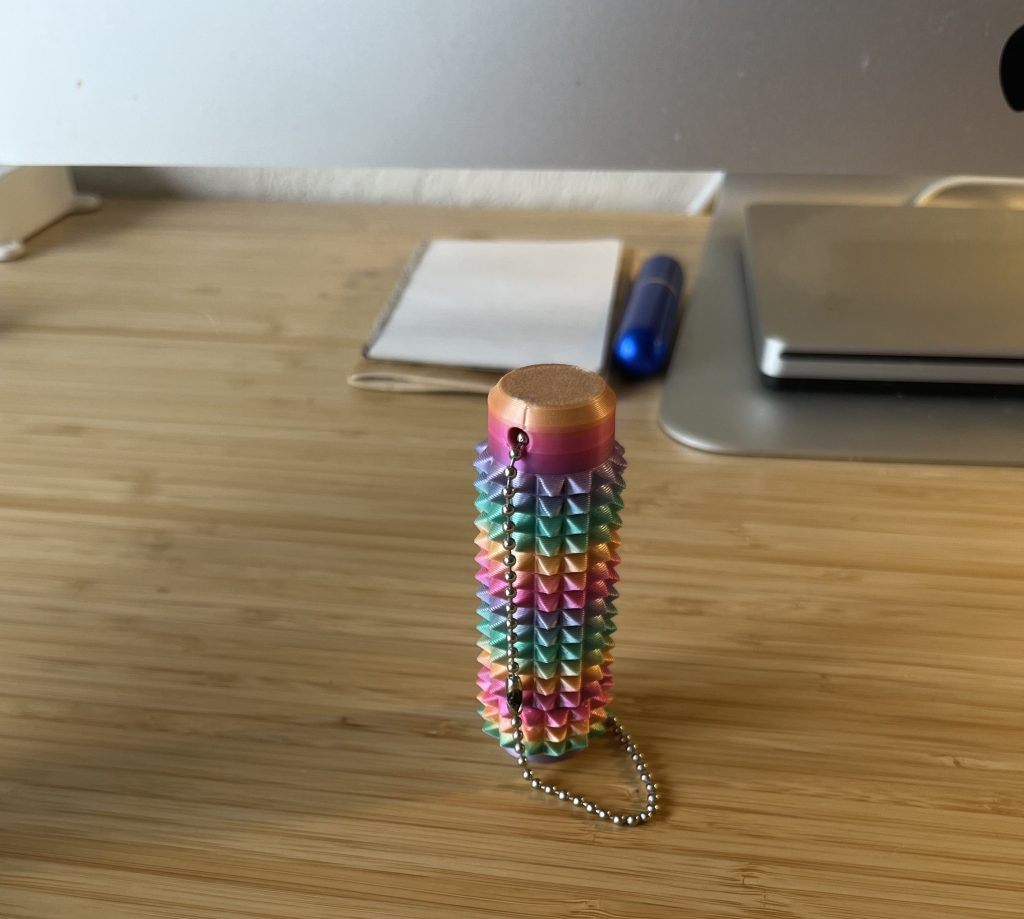
    These are just some examples of stimming that help me process sensory input, both internally and externally. Other ND people have stims that involve their other senses, like making repetitive sounds, blinking excessively, or licking their lips. But it’s important to remember that stimming itself isn’t dangerous. If a particular stim is harmful, there is often a constructive way to redirect or prevent it. This may mean setting aside some time to stim freely, finding a safer alternative stim that meets the same needs, or positively reinforcing other coping mechanisms (Health Essentials, 2023). One simple and helpful option here is the use of fidget toys like fidget spinners or Calm Strips (2025). There are also other helpful tools, which I plan to cover in another post.

    Nutrition and Herbal Medicine

    As I mentioned earlier, stress can cause both short-term and long-term physical effects on the body. The body’s response to this stress is the same whether the cause is real or imagined. During the stress response, the hypothalamus triggers the release of hormones that raise blood pressure, heart rate, and breathing, while slowing digestion, reproduction, and growth to prioritize survival. This increase in heart rate and breathing increases blood flow and oxygen to the brain and muscles, increasing cortisol and glucose usage in the body. If stress levels remain high for too long, so do hormone levels, potentially leading to inflammation and cell damage (The Nutrition Source, 2021).

    For this reason, chronic and acute episodic stress can lead to digestive issues (eg., heartburn, flatulence, diarrhea, and constipation), weight gain, high blood pressure, cardiovascular and immune system dysfunction, skin problems, muscle pain, insomnia, and more. Because of this, long-term stress can deplete the body of essential nutrients. However, chronic stress can also raise cortisol levels, and this elevated cortisol can lead to cravings for unhealthy foods, decreased leptin levels (the hormone responsible for satiety, or fullness), and increased ghrelin levels (the hormone responsible for appetite). Over time, these changes can increase the risk of type 2 diabetes and breast cancer. Stress also often causes a lack of motivation, leading some to turn to sugar and caffeine to stay focused and alert, potentially worsening the cycle of stress and its negative symptoms (The Nutrition Source, 2021).

    Don’t let this discourage you, though. A balanced diet rich in vegetables, omega-3 fatty acids, and other polyunsaturated fats can help to regulate cortisol levels and support immune health. Meal planning can help us achieve and maintain healthy eating habits while reducing the stress of daily meal preparation. It’s also important to remember to eat mindfully, taking time to enjoy every bite (The Nutrition Source, 2021).

    Alongside these dietary and lifestyle adjustments, certain medicinal herbs can offer support, too. Lavender (Lavandula angustifolia) is widely used for relaxation, sleep, and minor aches and pains. Historically, it has also been used for burns and pain management. Inhaling lavender essential oil can also help with persistent headaches. Peppermint (Mentha x piperita), commonly used as a flavoring, can help ease muscle tension, menstrual cramps, nerve discomfort, and stress relief. One popular approach involves diluting the essential oil and applying it to the temples to relieve tension headaches (Lull, 2025).

    Of course, these are only a few of the many treatment methods for chronic stress and anxiety. It’s also important to remember that everyone, disabled or not, is wholly unique and may respond differently to treatments. These methods are meant as general guidance, rather than one-size-fits-all cures. Regardless of who you are, it’s important to remember that the best treatment for chronic stress and anxiety is empathy and support. If you have a friend or family member who is disabled, support them, and maybe try some of these suggestions together.

    References

    Calm Strips (2025). Calm Strips Shop. Calm Strips. https://calmstrips.com/collections/calm-strips-store

    Health Essentials (2023). What is Stimming?. Cleveland Clinic. https://health.clevelandclinic.org/what-is-stimming

    Lindberg, S. (2023). What Is Talk Therapy and Can It Help?. Healthline. https://www.healthline.com/health/mental-health/talk-therapy

    Lull, V. (2025). 6 Herbs to Alleviate Aches and Pains. ACHS Holistic Health & Wellness Blog. https://achs.edu/blog/herbs-help-aches-pains/?_hsenc=p2ANqtz-_eADhyz0iDtuMIGgrnlw8R6KtTAZSMkJZK3HNu4m9sf4Fe6aaK1cm1XhcUNlmj3oi81bG8EALU-wh8KR7JHcrut1rzWvfvQj6Yr0LpWpTmXG2MIo8&_hsmi=356797881

    Merriam-Webster, Inc. (2025). Allopathic Medicine. Merriam-Webster Dictionary. https://www.merriam-webster.com/dictionary/allopathic medicine

    The Nutrition Source (2021). Stress and Health. Harvard T.H. Chan School of Public Health. https://nutritionsource.hsph.harvard.edu/stress-and-health/

    Seward, B.L. (2001). Essentials of Managing Stress (5th ed). Jones & Bartlett Learning. ISBN 9781284180725